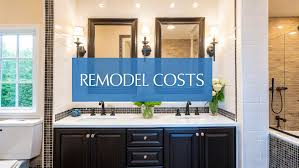
Bathroom remodeling is one of the most valuable home improvement projects homeowners can undertake. A well-designed bathroom renovation can improve functionality, enhance aesthetics, and significantly increase property value. However, understanding Bathroom Remodeling Costs is essential before beginning the renovation process. Costs can vary widely depending on factors such as the size of the bathroom, materials used, labor expenses, and design complexity.
Industry organizations such as the National Association of Home Builders and the National Kitchen & Bath Association regularly analyze remodeling trends and estimate that bathroom upgrades can deliver a high return on investment compared to other home improvement projects.
This guide explains bathroom remodeling costs in detail, including cost breakdowns, major factors influencing price, budgeting tips, and how homeowners can plan a successful renovation.
Average Bathroom Remodeling Costs
The overall cost of remodeling a bathroom depends heavily on the scope of the project. According to data from HomeAdvisor and Angi, bathroom renovation costs typically fall within a wide range depending on the level of upgrades.
A basic bathroom remodel may cost between $3,000 and $10,000. This usually includes repainting walls, replacing fixtures, installing a new vanity, and upgrading lighting.
A mid-range bathroom remodel generally costs between $10,000 and $25,000. These renovations typically include new flooring, upgraded plumbing fixtures, tile installation, and a modern vanity.
A high-end bathroom remodel can cost $25,000 to $50,000 or more. Luxury renovations often include custom cabinetry, heated floors, walk-in showers, premium materials, and designer fixtures.
These estimates are frequently referenced in the annual remodeling reports published by Remodeling Magazine, which tracks home renovation costs across the United States.
Key Factors That Affect Bathroom Remodeling Costs
Several important factors determine the final cost of a bathroom remodeling project. Understanding these elements helps homeowners create a realistic renovation budget.
Bathroom Size
The size of the bathroom is one of the biggest cost drivers. A small powder room requires fewer materials and less labor, while a master bathroom renovation may involve complex plumbing, larger tile areas, and more expensive fixtures.
For example, remodeling a half bathroom is significantly cheaper than renovating a full master suite with a shower, bathtub, and double vanity.
Labor and Contractor Fees
Labor costs account for a significant portion of bathroom remodeling expenses. Hiring licensed professionals ensures the work meets safety and building standards.
Professionals commonly involved in bathroom remodeling include:
Plumbers
Electricians
Tile installers
General contractors
Interior designers
Homeowners often rely on trusted contractor networks such as Houzz or Thumbtack to find experienced remodeling professionals.
Materials and Fixtures
The materials selected for a bathroom renovation have a major impact on overall costs. Premium materials increase expenses but also improve durability and visual appeal.
Common material upgrades include:
Ceramic or porcelain tiles
Quartz or granite countertops
Custom vanities
Glass shower enclosures
High-end faucets and showerheads
Well-known fixture manufacturers such as Kohler, Delta Faucet Company, and American Standard offer a wide range of bathroom products at different price points.
Plumbing Changes
Moving plumbing lines significantly increases bathroom remodeling costs. If the renovation involves relocating sinks, toilets, or showers, contractors must reroute water supply and drainage systems.
Keeping plumbing fixtures in the same location helps control renovation expenses and simplifies the remodeling process.
Electrical Work
Modern bathrooms require updated electrical systems for lighting, ventilation fans, and outlets. Building codes in many regions require Ground Fault Circuit Interrupter (GFCI) outlets in bathrooms to prevent electrical hazards.
Electricians ensure installations meet safety standards recommended by organizations such as the National Electrical Manufacturers Association.
Cost Breakdown of Bathroom Remodeling Components
Understanding the cost of individual elements helps homeowners plan their renovation budget more effectively.
Bathtub and Shower Installation
Installing a new bathtub or shower can cost anywhere between $800 and $10,000 depending on the design and materials used.
Walk-in showers with frameless glass enclosures are increasingly popular in modern homes. Luxury shower systems produced by brands like Moen or Hansgrohe often include multiple spray settings and digital temperature controls.
Vanity and Countertops
Bathroom vanities typically cost between $300 and $3,000 depending on size, design, and materials.
Countertops made from quartz or natural stone are more expensive but provide superior durability. Companies such as Caesarstone specialize in premium engineered quartz surfaces used in high-end bathroom designs.
Flooring
Bathroom flooring materials must be durable and water-resistant. Popular flooring options include:
Ceramic tile
Porcelain tile
Vinyl plank flooring
Natural stone
Tile manufacturers like Daltile provide a wide selection of styles designed specifically for bathrooms.
Lighting and Ventilation
Proper lighting improves both functionality and aesthetics in a bathroom. Modern renovations often include LED lighting systems and decorative fixtures.
Ventilation systems are also essential to prevent moisture buildup and mold growth. The Environmental Protection Agency recommends proper ventilation in bathrooms to improve indoor air quality.
Hidden Costs in Bathroom Remodeling
Homeowners often overlook hidden costs that can affect the total renovation budget. These may include:
Permit fees
Structural repairs
Water damage remediation
Mold removal
Upgrading outdated plumbing
Local building authorities and organizations such as the International Code Council enforce building regulations that contractors must follow during renovations.
Unexpected issues are especially common in older homes where plumbing systems or subfloor structures may require repair before new installations.
Budget-Friendly Bathroom Remodeling Tips
Homeowners can control bathroom remodeling costs by making strategic design and purchasing decisions.
Keep the Existing Layout
Maintaining the current layout of sinks, toilets, and showers helps avoid costly plumbing changes.
Choose Cost-Effective Materials
Affordable alternatives like porcelain tile can mimic the appearance of natural stone at a lower price.
Refinish Instead of Replace
Bathtubs and cabinets can sometimes be refinished instead of replaced, saving thousands of dollars in renovation expenses.
Compare Contractor Quotes
Obtaining multiple quotes from contractors helps homeowners find competitive pricing and reliable professionals.
Platforms like Angi and HomeAdvisor allow homeowners to compare contractors and read reviews before selecting a remodeling professional.
Bathroom Remodeling Trends Influencing Costs
Several modern design trends are influencing bathroom remodeling projects around the world.
Smart Bathroom Technology
Smart home technology is increasingly being integrated into bathroom renovations. Smart mirrors, digital showers, and touchless faucets provide convenience and energy efficiency.
Technology companies such as Google and Amazon have introduced smart home ecosystems that can integrate with advanced bathroom features.
Eco-Friendly Bathroom Design
Sustainability is becoming an important factor in home remodeling. Water-saving fixtures, LED lighting, and environmentally friendly materials help reduce energy consumption.
The U.S. Green Building Council promotes sustainable building practices through programs like the LEED certification system.
Spa-Inspired Bathrooms
Many homeowners are transforming their bathrooms into spa-like retreats with features such as rainfall showers, freestanding bathtubs, and heated flooring.
Luxury bathroom brands like TOTO are known for innovative bathroom technologies including smart toilets and advanced hygiene features.
Return on Investment for Bathroom Remodeling
Bathroom renovations are widely recognized as one of the most valuable home improvement projects. According to cost-versus-value reports published by Remodeling Magazine, homeowners can recover a significant portion of remodeling costs when selling their property.
Updated bathrooms appeal strongly to potential buyers and often increase a home’s market value.
Real estate organizations such as the National Association of Realtors consistently report that modern bathrooms are among the top features homebuyers look for when purchasing a property.
Conclusion
Understanding Bathroom Remodeling Costs is essential for homeowners planning a renovation project. Costs vary depending on factors such as bathroom size, materials, labor, and design complexity. By carefully planning the renovation, choosing quality materials, and hiring experienced professionals, homeowners can create a beautiful and functional bathroom within their budget.
Resources and industry insights from organizations such as the National Kitchen & Bath Association and the National Association of Home Builders can help homeowners make informed decisions throughout the remodeling process.
A well-planned bathroom renovation not only improves daily comfort but also increases property value, making it one of the most worthwhile investments in home improvement.
Leave a Reply