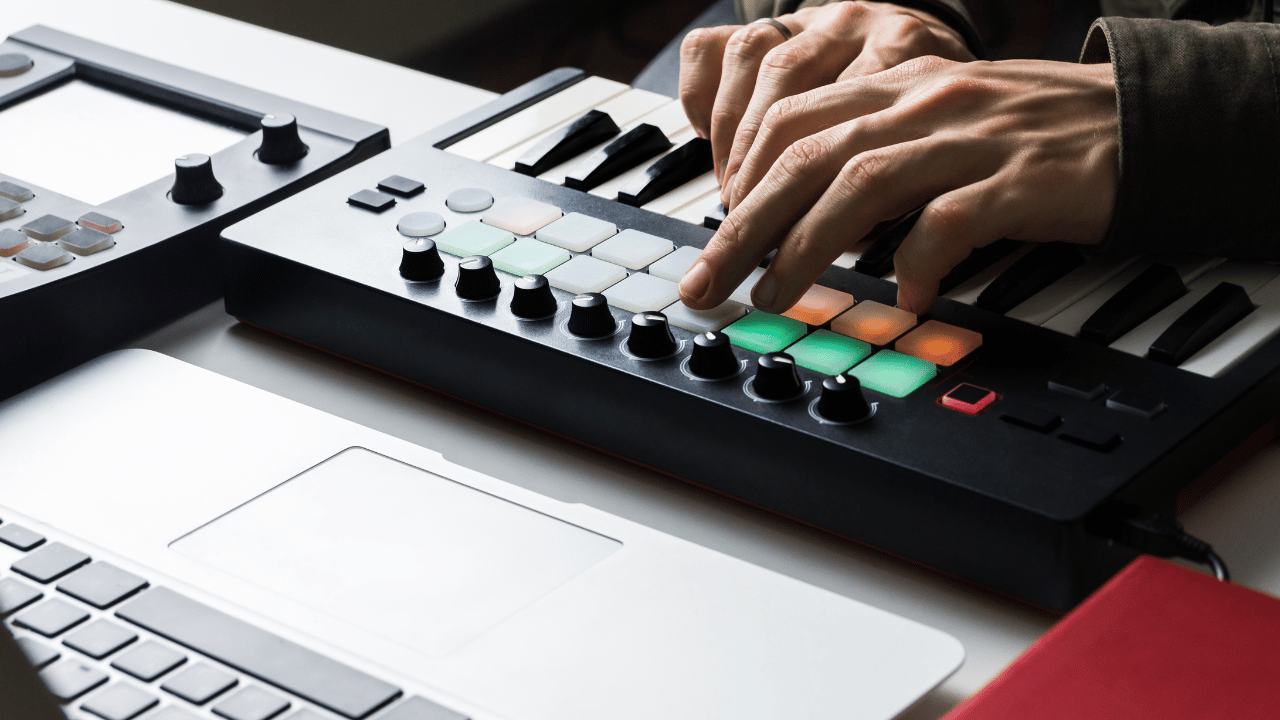
Music production techniques are the foundation of creating professional and engaging music in today’s digital era. From recording and arranging to mixing and mastering, producers rely on a wide range of tools and strategies to craft high-quality tracks. With the evolution of technology and software, modern producers use advanced digital audio workstations, plugins, and hardware equipment to achieve polished results. Understanding effective music production techniques is essential for anyone aiming to succeed in the competitive music industry.
Music production combines creativity with technical expertise. Influential producers such as Rick Rubin, Quincy Jones, and Dr. Dre have demonstrated how innovative production methods can shape the sound of entire generations. By mastering core techniques and tools, producers can develop unique styles and deliver professional recordings.
Understanding the Basics of Music Production
Music production is the process of transforming a musical idea into a complete and polished audio recording. It typically involves several stages including composition, arrangement, recording, editing, mixing, and mastering. Each stage requires specialized techniques to ensure clarity, balance, and emotional impact.
Modern producers primarily work with digital audio workstations such as Ableton Live, Logic Pro, and FL Studio. These platforms provide tools for recording instruments, programming beats, editing audio, and applying effects.
High-quality audio interfaces like the Focusrite Scarlett 2i2 and professional microphones such as the Shure SM7B are commonly used to capture clean recordings. Combining reliable equipment with proper techniques ensures the foundation of a professional track.
Recording Techniques for Professional Sound
Recording is one of the most critical stages of music production. Capturing clean and well-balanced audio reduces the need for heavy processing later in the production process.
Microphone Placement
Microphone placement significantly influences the quality and tone of recorded audio. For example, when recording vocals with the Neumann U87, positioning the microphone about six to eight inches from the vocalist helps maintain clarity while minimizing unwanted noise.
For acoustic instruments such as guitar or piano, producers experiment with different microphone angles and distances to capture natural resonance. Many legendary studios including Abbey Road Studios have developed signature recording techniques through careful microphone placement and acoustic design.
Gain Staging
Gain staging is the process of managing audio levels throughout the recording chain to avoid distortion and maintain dynamic range. Proper gain staging ensures that each track records at an optimal level without clipping. Producers often keep peak levels around −10 dB to −6 dB within their DAW to preserve headroom for mixing.
Beat Making and Rhythm Programming
Beat production plays a vital role in modern genres such as hip-hop, EDM, and pop. Producers create rhythmic foundations using drum machines, MIDI programming, and sample libraries.
The Roland TR-808 is one of the most influential drum machines in music history and has shaped the sound of hip-hop and electronic music. Producers frequently use virtual recreations of the TR-808 within software platforms like Native Instruments Maschine.
Programming drums involves layering kicks, snares, hi-hats, and percussion to create groove and rhythm. Many producers use swing or groove quantization features to add a natural feel to programmed beats.
Sound Design and Synthesis
Sound design is the art of creating unique sounds using synthesizers, effects, and audio manipulation techniques. Electronic music producers often rely heavily on sound design to craft distinctive sonic identities.
Popular synthesizers such as Serum and Massive allow producers to design custom sounds using wavetable synthesis and modulation tools.
Understanding synthesis techniques such as subtractive synthesis, FM synthesis, and wavetable synthesis helps producers create basslines, leads, pads, and atmospheric textures. Legendary electronic artists like Deadmau5 are known for their advanced sound design techniques.
Arrangement Techniques
Arrangement is the process of structuring a song to maintain listener interest and emotional progression. Effective arrangements guide the listener through verses, choruses, bridges, and drops.
Producers often follow common song structures used in popular music. For example, the works of Max Martin demonstrate how strategic arrangement can create chart-topping hits.
Arrangement techniques include:
Layering instruments to build energy gradually
Using breakdowns and drops for contrast
Adding automation to introduce subtle changes
Creating transitions using risers, impacts, and reverse effects
Carefully structured arrangements help maintain flow and prevent tracks from sounding repetitive.
Mixing Techniques
Mixing is the stage where individual tracks are balanced and processed to create a cohesive sound. Mixing engineers use equalization, compression, panning, and effects to enhance clarity and depth.
Equalization (EQ)
Equalization allows producers to shape the frequency content of each instrument. Plugins such as FabFilter Pro-Q 3 are widely used for precise frequency adjustments.
For example, cutting low frequencies from vocals removes rumble and creates space for bass instruments.
Compression
Compression controls the dynamic range of audio signals. Classic compressors like the Universal Audio 1176 help maintain consistent volume levels while adding character to vocals, drums, and guitars.
Compression is especially important for modern genres where tight and punchy mixes are essential.
Reverb and Spatial Effects
Reverb and delay effects create depth and space within a mix. Plugins such as Valhalla VintageVerb simulate room acoustics and add atmosphere to tracks.
Producers carefully balance wet and dry signals to avoid muddy mixes while maintaining a sense of space.
Mastering Techniques
Mastering is the final stage of music production where the entire track is optimized for distribution across streaming platforms and playback systems.
Mastering engineers adjust overall loudness, tonal balance, and stereo width. Software tools like iZotope Ozone provide advanced modules for limiting, equalization, and stereo imaging.
Many famous albums mastered at studios like Sterling Sound demonstrate how professional mastering can significantly enhance sonic quality.
Key mastering techniques include:
Applying subtle EQ adjustments to balance frequencies
Using multiband compression for control
Increasing loudness with limiters
Ensuring compatibility across different playback systems
Proper mastering ensures that a track sounds consistent whether played on headphones, car speakers, or streaming services.
Sampling and Audio Manipulation
Sampling is widely used in genres such as hip-hop, electronic music, and pop. Producers manipulate existing audio recordings to create new musical compositions.
For instance, artists like Kanye West have built iconic productions by creatively sampling vintage soul and jazz records.
Sampling techniques include chopping, time-stretching, pitch-shifting, and reversing audio. Digital tools allow producers to manipulate samples while preserving sound quality.
However, producers must ensure proper licensing when using copyrighted material to avoid legal issues.
Collaboration in Modern Music Production
Music production is increasingly collaborative. Artists, producers, and engineers often work together across different locations using online tools.
Platforms such as Splice enable producers to share project files, download samples, and collaborate remotely.
Many modern hits involve teams of producers and songwriters. Collaborative workflows allow producers to combine different strengths, from songwriting to sound design.
The Role of Artificial Intelligence in Music Production
Artificial intelligence is transforming music production techniques. AI-powered tools assist with mixing, mastering, and even composition.
Applications like LANDR automatically analyze audio tracks and apply mastering settings based on genre and sonic characteristics.
While AI tools accelerate workflows, human creativity remains the most important factor in producing memorable music.
Developing Your Own Production Style
Successful producers develop unique styles by experimenting with techniques and influences. Studying the production approaches of artists such as Pharrell Williams and Brian Eno can inspire new creative directions.
Developing a signature sound often involves combining multiple genres, experimenting with unconventional instruments, and refining mixing techniques over time.
Producers also analyze successful albums and songs to understand how arrangement, sound design, and mixing contribute to their impact.
Conclusion
Music production techniques continue to evolve as technology advances and musical styles change. From recording and beat making to mixing and mastering, each stage of production requires both technical knowledge and creative vision. Modern tools such as Ableton Live and FL Studio empower producers to create professional-quality music from home studios.
By studying the methods used by legendary producers like Quincy Jones and Rick Rubin, aspiring musicians can learn how to craft powerful and engaging recordings.
Mastering music production techniques takes time, experimentation, and continuous learning. With dedication and the right tools, producers can transform simple musical ideas into polished tracks that captivate listeners worldwide.
Leave a Reply