
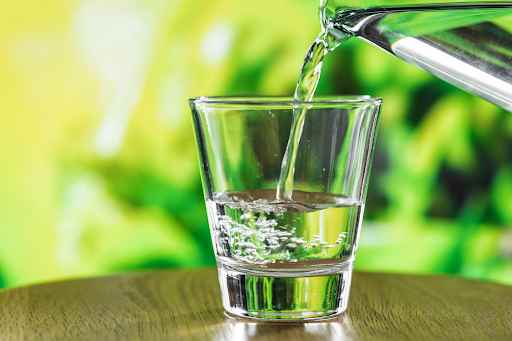
Clean and safe water is a necessity for the residential, business, and public sectors. Water that has undergone treatment becomes free of harmful and undesirable matter. This treatment has to be matched with the specific water source and water use. Testing and treatment must be performed on a regular basis for the safety guidelines of water to be met.
Chlorinating
Chlorinating is a common water treatment method used to control harmful bacteria, viruses, and other microorganisms. Municipal water systems, some industries, and swimming pools employ chlorination. This method is used in municipal and on-site water systems for additional treatment to protect water during transport and storage within the distribution system.
Water quality, pH, temperature, and contact time all influence the amount of chlorine required. A water treatment professional must follow the approved guidelines to ensure that the effective disinfectant concentration does not exceed the limits and that regular testing is conducted.
Filtration
Filtration involves passing water through a suitable filter to remove unwanted suspended matter. Different systems use different filter materials, such as sand, carbon, or even membranes.
Filtration reduces suspended particles and also contaminants that may produce unwanted odors, taste, or turbidity. One example of an activated carbon filter can reduce unwanted compounds that produce odors and taste. No filter system removes every unwanted contaminant, and the quality of the water must dictate the system that should be selected.
Water Quality Testing
Water quality analyses can determine whether a water source meets its intended purpose. Tests are performed on indicators such as hardness, pH levels, and contaminants, including chemical compounds and bacteria.
Regular testing is especially crucial for public water supplies (such as in workplaces) and for industrial supplies. Regular analyses provide the first indication of water contamination and allow the operator to determine if more treatments are required.
Methods used should be appropriate, and qualified labs should be utilized. Analyses can help the owner and the treatment personnel select and monitor water quality treatment systems.
Sedimentation
In the sedimentation stage, the heavy particles in water sink to the bottom of the sedimentation tank. In large water treatment systems, sedimentation tanks provide ample time for particles to settle to the bottom, improving the efficacy of later stages of water treatment.
Sedimentation helps remove suspended particles like dirt and sand. But this method cannot remove dissolved impurities or harmful microorganisms. In larger treatment plants, it is only one stage of many processes, and other methods are combined to fully remove contaminants.
Reverse Osmosis
This technology is used to separate impurities from water at the molecular level using a semi-permeable membrane. Impurities such as dissolved minerals and metals are rejected as the water passes through under high pressure.
This process is extensively used in homes and large-scale facilities to treat and purify water. Systems are selected based on end use, available space, and feedwater quality. Frequent maintenance is required to prevent the buildup of contaminants and membrane degradation. Installations and services must be done professionally to prevent leaks and membrane damage.