Introduction to Urban Lifestyle Design
Urban Lifestyle Design refers to the strategic planning and development of cities that prioritize human well-being, sustainability, accessibility, and efficient infrastructure. As urban populations continue to grow globally, city planners, architects, and policymakers are increasingly focusing on designing environments that support healthier and more convenient lifestyles. According to the United Nations, nearly 70% of the global population is expected to live in urban areas by 2050. This rapid urbanization makes thoughtful urban lifestyle design a crucial component of modern city development.
Urban lifestyle design combines architecture, transportation planning, public spaces, environmental sustainability, and technology to improve the quality of life in metropolitan areas. Influential thinkers like Jane Jacobs and Le Corbusier have shaped modern discussions about how cities should be designed to balance functionality with community engagement.
The Evolution of Urban Lifestyle Design
Urban lifestyle design has evolved significantly throughout history. Early industrial cities such as London and New York City experienced rapid growth during the 19th century but lacked proper infrastructure planning. Overcrowding, pollution, and limited public services were common challenges.
Urban planners later introduced zoning regulations, public parks, and transportation networks to improve city living conditions. The development of parks like Central Park in New York City demonstrated how green spaces could enhance urban lifestyles and provide residents with areas for recreation and relaxation.
In the 20th century, modernist architectural approaches promoted large-scale urban planning, high-rise buildings, and efficient road systems. Cities like Brasília were designed from scratch with a focus on structured urban layout and transportation systems.
Today, urban lifestyle design integrates sustainability, technology, and community engagement to create livable cities that meet the needs of modern populations.
Core Principles of Urban Lifestyle Design
Walkability and Human-Centered Planning
One of the key elements of urban lifestyle design is walkability. Cities designed with pedestrian-friendly infrastructure encourage healthier lifestyles and reduce reliance on vehicles. Urban designers often reference concepts promoted by Jane Jacobs, who emphasized the importance of lively streets, mixed-use neighborhoods, and strong community interaction.
Cities such as Copenhagen have become global leaders in walkable urban design. Copenhagen’s extensive cycling infrastructure allows residents to commute safely by bicycle, significantly reducing traffic congestion and environmental impact.
Walkability also encourages social interaction, increases local economic activity, and improves overall urban livability.
Sustainable and Green Infrastructure
Sustainability is a central component of urban lifestyle design. Modern cities must balance development with environmental protection to reduce pollution and conserve natural resources. Organizations like UN-Habitat promote sustainable urban development strategies that include renewable energy, efficient public transportation, and eco-friendly building designs.
Cities such as Singapore have implemented innovative green infrastructure, including vertical gardens, green rooftops, and urban forests. The iconic Gardens by the Bay demonstrates how architecture and environmental sustainability can coexist within a dense urban setting.
Sustainable urban lifestyle design also includes energy-efficient buildings, waste management systems, and water conservation strategies.
Smart City Technologies
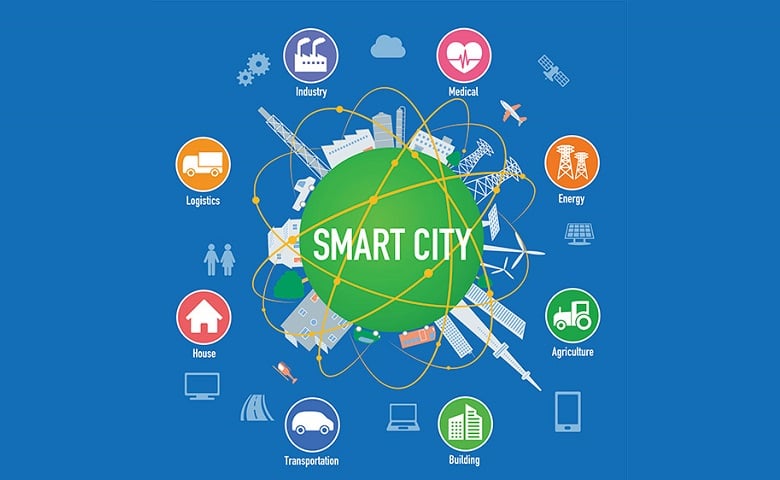
Technology plays an increasingly important role in shaping modern urban environments. Smart city initiatives use digital systems, sensors, and data analytics to improve city operations and enhance residents’ daily experiences.
Companies like IBM and Cisco have partnered with governments worldwide to develop smart city technologies that optimize transportation, energy consumption, and public safety.
Cities such as Barcelona have implemented smart traffic systems, digital parking solutions, and real-time public transportation tracking. These innovations help reduce congestion, improve mobility, and create more efficient urban environments.
Mixed-Use Development
Mixed-use development is another fundamental aspect of urban lifestyle design. Instead of separating residential, commercial, and recreational spaces, mixed-use neighborhoods combine these functions within the same area.
This approach allows residents to live, work, shop, and socialize within walking distance. Urban districts such as SoHo in New York City demonstrate the benefits of mixed-use development, where residential buildings coexist with retail stores, offices, and cultural spaces.
Mixed-use neighborhoods also support local businesses and reduce commuting times, contributing to a more balanced urban lifestyle.
Transportation and Mobility in Urban Lifestyle Design
Efficient transportation networks are essential for functional cities. Urban lifestyle design emphasizes public transit systems that reduce dependence on private vehicles and lower environmental impact.
Cities like Tokyo are known for their advanced transportation infrastructure. The Tokyo Metro is one of the most efficient public transit systems in the world, serving millions of commuters daily.
Similarly, Amsterdam has invested heavily in cycling infrastructure, making bicycles one of the primary modes of transportation for residents.
By integrating public transportation, cycling lanes, and pedestrian pathways, urban lifestyle design helps create more accessible and environmentally friendly cities.
Public Spaces and Community Engagement
Public spaces are essential components of urban lifestyle design. Parks, plazas, and cultural centers provide opportunities for social interaction, recreation, and cultural expression.
Urban planners recognize that well-designed public spaces improve mental health, encourage community engagement, and strengthen social connections. Landmarks such as Millennium Park in Chicago illustrate how public spaces can become cultural hubs that attract both residents and tourists.
Public art, street performances, and community events further contribute to the vibrancy of urban life.
Housing and Urban Lifestyle
Affordable and diverse housing options are critical for sustainable urban development. Urban lifestyle design encourages housing solutions that accommodate people from different income levels and cultural backgrounds.
Cities like Vienna are often cited as models for affordable housing programs. Vienna’s public housing initiatives provide high-quality living spaces for a large portion of the population while maintaining strong community infrastructure.
Urban lifestyle design also emphasizes the importance of proximity to workplaces, schools, healthcare facilities, and recreational spaces. This integrated approach ensures that residents can easily access essential services without long commutes.
The Role of Architecture in Urban Lifestyle Design
Architecture significantly influences how people experience urban environments. Iconic buildings and innovative architectural designs can shape a city’s identity and attract global attention.
Architects like Norman Foster and Zaha Hadid have contributed to modern urban design through futuristic structures and sustainable architectural concepts.
Projects such as Apple Park in Cupertino showcase how corporate campuses can integrate environmental sustainability, green landscapes, and innovative architectural design.
Thoughtful architecture not only enhances visual appeal but also improves functionality, energy efficiency, and community interaction.
Challenges in Urban Lifestyle Design
Despite its benefits, urban lifestyle design faces several challenges. Rapid population growth, limited land availability, and rising housing costs make it difficult for cities to maintain balanced development.
Megacities like Mumbai and Lagos struggle with infrastructure strain, traffic congestion, and informal housing settlements. Urban planners must develop creative solutions to address these issues while maintaining sustainable growth.
Climate change also presents significant challenges for urban design. Coastal cities such as Miami must develop strategies to address rising sea levels and extreme weather conditions.
Innovative urban lifestyle design solutions, including resilient infrastructure and climate-adaptive architecture, are essential for addressing these global challenges.
Future Trends in Urban Lifestyle Design
The future of urban lifestyle design will likely focus on greater integration of technology, sustainability, and human-centered planning. Emerging concepts such as smart neighborhoods, autonomous transportation systems, and renewable energy networks are expected to transform how cities function.
Cities like Dubai are experimenting with autonomous vehicles, smart infrastructure, and advanced architectural projects to create futuristic urban environments.
Additionally, the concept of the “15-minute city,” popularized by Carlos Moreno, is gaining global attention. This model proposes that residents should be able to access essential services such as work, shopping, healthcare, and recreation within a 15-minute walk or bike ride from their homes.
This approach promotes sustainability, reduces commuting time, and strengthens local communities.
Conclusion
Urban lifestyle design is a multidisciplinary approach to building cities that prioritize human well-being, sustainability, and efficiency. By integrating walkability, green infrastructure, smart technologies, and mixed-use development, modern urban planners can create environments that support vibrant and healthy communities.
From innovative cities like Singapore and Copenhagen to smart technology initiatives in Barcelona, successful urban lifestyle design demonstrates how thoughtful planning can transform urban living.
As global urbanization continues, the importance of strategic urban lifestyle design will only grow. Cities that invest in sustainable infrastructure, community engagement, and technological innovation will be better positioned to meet the needs of future generations while maintaining high standards of urban living.
Leave a Reply