
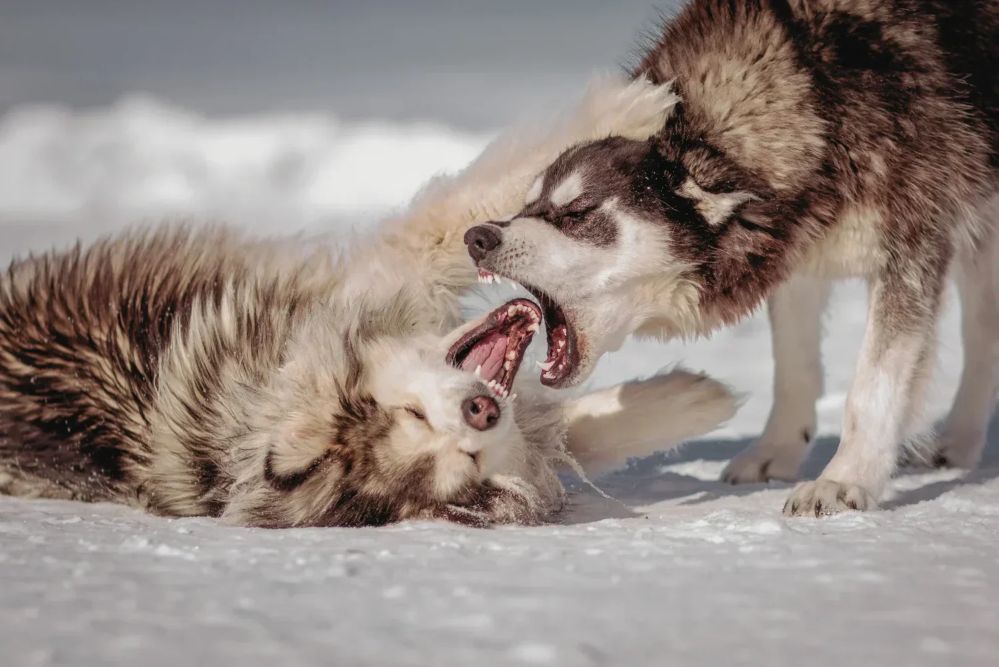
Aggressive dog behavior management begins with understanding why a dog reacts aggressively and identifying ways to reduce risk while building better behavior. Growling, lunging, snapping, and biting can be frightening, but these actions may communicate discomfort, fear, frustration, or a perceived threat.
Effective management combines safety precautions, careful observation, consistent routines, and appropriate behavior modification. Rather than relying on punishment or expecting immediate changes, owners can develop a structured approach that encourages safer interactions and calmer responses.
Understanding the Causes of Aggressive Dog Behavior
Aggression describes a range of responses that may occur when a dog feels threatened, overwhelmed, or frustrated. Identifying the circumstances surrounding a reaction helps owners determine which changes are needed.
Common contributing factors include:
- Fear and anxiety: A dog may growl, bark, or snap when it feels threatened.
- Resource guarding: Some dogs react when people or animals approach food, toys, or valued objects.
- Territorial responses: Dogs may become defensive around their homes or familiar people.
- Pain or medical conditions: Discomfort can lower a dog’s tolerance for handling.
- Frustration and overstimulation: Restricted movement or repeated exposure to triggers can intensify reactions.
- Limited positive experiences: Some dogs struggle with unfamiliar people, animals, or environments.
These causes can overlap. A dog that lunges at strangers, for example, may be frightened rather than attempting to dominate them. Consult a veterinarian if aggression appears suddenly or increases unexpectedly.
Aggressive Dog Behavior Management Starts With Safety
Before introducing training exercises, reduce opportunities for aggressive incidents. Management protects people and animals while preventing repeated situations that may intensify reactions.
Identify Triggers and Warning Signs
Observe what happens before your dog reacts. Consider the distance from the trigger, the location, and whether the dog can move away.
Warning signs may include:
- Turning away or repeatedly licking the lips.
- Becoming stiff or suddenly freezing.
- Staring intensely or showing the whites of the eyes.
- Growling, showing teeth, or raising the lips.
- Lunging, snapping, or attempting to bite.
Dogs display different warning signs, and some reactions escalate quickly. Never deliberately provoke a dog to test its limits. Instead, observe patterns from a safe distance and use them to guide management.
Create a Safer Home Environment
Use barriers, secure gates, or separate rooms to prevent unwanted interactions. If your dog guards food or toys, provide them in a designated area away from children and other animals.
Establish consistent household rules. Children should never be left unsupervised with a dog that has shown aggression.
For dogs that may bite, ask a qualified professional about positively introduced basket-muzzle training. A properly fitted basket muzzle allows panting and drinking while reducing bite risk, but it does not replace supervision or safe handling.
Training Strategies for Better Behavioral Control
Once immediate risks are addressed, a structured behavior modification plan can help dogs develop safer responses. The goal is to improve the dog’s emotional response to challenging situations rather than simply suppress warning signs.
1. Manage Distance From Triggers
Distance is essential when working with reactive or aggressive dogs. If your dog lunges at other dogs, choose quieter routes and move away before a reaction begins.
If your dog cannot respond to familiar cues or disengage from a trigger, the situation may be too challenging. Avoid forced encounters, which can increase fear and intensify reactions.
2. Reward Calm Responses
Positive reinforcement teaches dogs which behaviors are worthwhile. When your dog notices a trigger at a manageable distance and remains calm, reward it with a suitable treat or another valued reward.
For example, a dog that sees another dog across the street without lunging can receive a reward for looking back toward its handler. Gradual repetitions may help create more positive associations.
If your dog becomes distressed, increase distance and make the next exercise easier.
3. Teach Alternative Behaviors
Useful skills may include responding to its name, turning away from a trigger, moving behind its handler, or following a practiced direction to leave.
Practice these skills in calm environments before introducing distractions. Short sessions with clear rewards help build familiarity without overwhelming the dog.
These skills should support a safety plan, not replace professional guidance for a dog with a bite history.
4. Maintain Consistent Routines
Predictable routines can reduce uncertainty. Regular exercise, sufficient rest, enrichment activities, and consistent expectations may support better behavior.
Choose activities suited to your dog’s temperament. For a dog that reacts aggressively toward unfamiliar animals, a quiet sniffing walk may be more appropriate than a crowded dog park.
Mistakes That Can Make Aggression Worse
Some common responses can increase stress or make behavior less predictable.
Punishing growling
Growling warns that a dog is uncomfortable. Punishing it may suppress the warning without addressing the underlying concern. Increase distance and assess the trigger instead.
Forcing interactions
Making a fearful dog tolerate strangers or unfamiliar dogs can intensify distress. Allow space and use gradual exercises rather than forced greetings.
Using inconsistent rules
Everyone in the household should follow the same safety and training plan to avoid confusing expectations.
Expecting immediate results
Behavior change takes time. Measure improvement through safer choices, reduced reaction intensity, and better recovery rather than expecting every trigger to disappear.
When to Seek Professional Dog Training Support
Professional assistance is recommended when a dog has bitten someone, repeatedly attempts to bite, guards resources intensely, or reacts unpredictably. Seek help promptly if behavior escalates or household members cannot manage the risks safely.
A qualified trainer experienced in aggression and behavior modification can assess triggers and develop an individualized plan. Complex cases may require collaboration with a veterinarian or veterinary behaviorist, particularly when pain or illness could contribute to the behavior.
Ask prospective trainers about their experience, safety procedures, and training methods. Avoid anyone who guarantees a quick cure or relies on intimidation to suppress reactions.
Rob’s Dog Training offers services for owners seeking help with behavioral challenges and better communication with their dogs. Professional guidance can help determine which strategies suit your dog’s needs.
Building Safer Habits for Long-Term Improvement
Successful aggressive dog behavior management combines prevention, observation, and thoughtful training. Recognizing triggers, protecting everyone involved, rewarding appropriate responses, and seeking qualified support can help owners establish safer routines.
Every dog has individual needs and experiences. A realistic, consistent plan is more useful than a one-size-fits-all approach.
For information about training services, visit robsdogs to explore options for helping your dog develop safer, more manageable behavior.