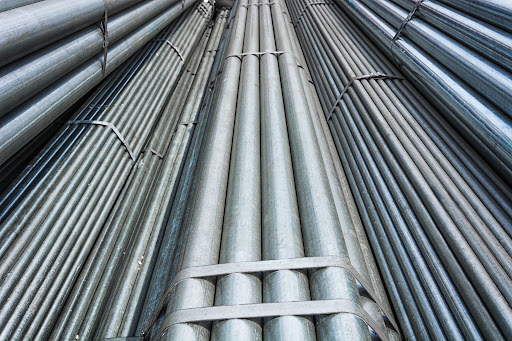
OCTG stands for oil country tubular goods, a collective term for steel pipes and tubular products used in the oil and gas industry for drilling, well construction, and production. However, in the oil and gas industry, operations occur under some of the most unforgiving conditions, beneath the surface, where equipment faces extreme pressures, corrosive fluids, and extreme temperatures.
To survive this environment, energy companies rely on a specialized class of high-strength steel known as OCTG, which comprises drill pipes, casing, and tubing. It serves as the literal backbone of modern drilling and exploration operations. In this informative OCTG guide, we will explore why OCTG is essential to the oil and gas industry.
- Maximized Operational Safety and Cost Efficiency
Well control is paramount. By providing predictable, high-performance barriers throughout the well, OCTG drilling will reduce the risk of dangerous gas leaks or catastrophic blowouts. While premium tubular goods require upfront investments, their durability prevents well failure and avoids millions of dollars in remediation costs and downtime. As a result, you don’t seek the companies that sell OCTG because a one-time investment is sufficient for years to come.
- Superior Wellbore Stability and Structural Integrity
One of the key benefits of using OCTG in oil and gas is its superior wellbore stability and structural integrity. When a well is drilled, the surrounding rock formations naturally tend to cave in, but large-diameter OCTG pipe cemented into the wellbore serves as a structural shield that prevents the wellbore from collapsing under the immense weight of the rock. This also ensures the long-term viability of the well.
- Reliable Environmental and Aquifer Protection
Environmental protection is a paramount directive in modern energy production. However, OCTG casing serves as a heavy-duty barrier that isolates the wellbore from shallow freshwater aquifers. This prevents drilling fluids and hydrocarbons from leaking into local water supplies, enabling operators to meet strict environmental compliance standards.
- Safe and Efficient Fluid Transport
Another standout benefit of using OCTG is that they provide safe and effective fluid transportation. Once a well is in operation, the hydrocarbons need to be brought to the surface. This is where tubing, the interior OCTG conduit, is designed for this task.
It efficiently transports oil from the reservoir to the surface while easily handling the high internal pressure generated by natural reservoir energy and the artificial lift system.
- Extreme Resistance to Pressure, Heat, and Corrosion
The OCTG is designed to withstand an extremely harsh environment. Its high-grade carbon and alloy steel are engineered to withstand these conditions. These high-collapse-grade materials resist harsh external forces, and their corrosion-resistant alloys protect against sour environments containing high levels of hydrogen sulfide (H₂S) and carbon dioxide (CO₂), preventing catastrophic pipe failures.
- High Torque and Tensile Strength for Deep Drilling
The drill pipes are designed to withstand heavy lifting. As the drill string rotates, these pipes transmit substantial torque from the surface rig to the drill bit. Additionally, these pipes are engineered to withstand severe axial tension and bending stresses without snapping, enabling companies to drill busBusiness and laterally across miles of rock.
Bottom Line
Without OCTG, modern oil and gas extraction would grind to a halt. From the initial spin of the drill bit to the continuous flow of production, these specialized tubular goods ensure that the harvesting of global energy resources remains safe, efficient, and structurally sound.