
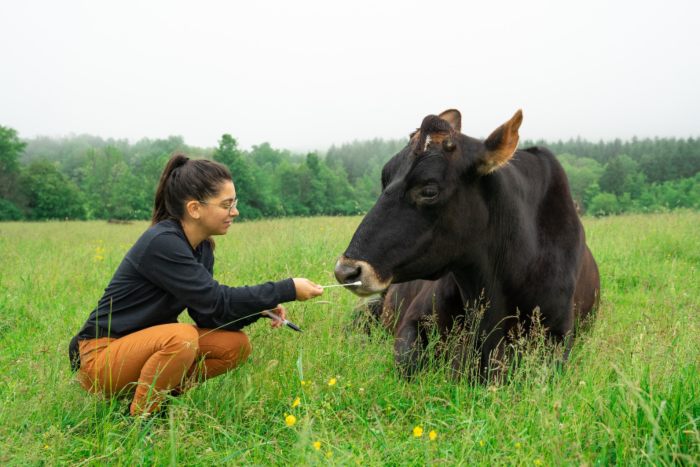
Animal welfare is an important topic that helps people understand how animals should be treated with care, respect, and kindness. One of the most effective ways to promote this awareness is through a cow sanctuary. A cow sanctuary is a safe place where rescued or protected cows are cared for in a peaceful environment. These sanctuaries do more than just provide shelter; they also play a key role in educating communities about the value of animal life and responsible human behavior toward animals.
Understanding the Role of a Cow Sanctuary
A cow sanctuary is a dedicated space where cows are protected from harm, neglect, or exploitation. Unlike commercial farms, the focus here is not on production or profit but on care and rehabilitation. Visitors can observe how cows live in a stress-free environment with proper food, medical care, and space to move freely. This simple setup helps people see animals not as resources, but as living beings that deserve respect and kindness.
Through guided visits and open learning environments, cow sanctuaries help people understand the natural behavior of cows. Families, students, and tourists often learn how cows communicate, what they eat, and how they interact socially. This direct exposure builds empathy and awareness in a way that books or lectures alone cannot achieve.
Educational Programs and Community Engagement
One of the most powerful contributions of a cow sanctuary is its educational programs. Many sanctuaries organize school visits, workshops, and awareness sessions for local communities. These programs explain the importance of animal welfare in simple and practical ways.
Children, in particular, benefit greatly from these experiences. When they see cows being treated with care and dignity, they develop compassion from a young age. Educators at the sanctuary often use storytelling, demonstrations, and hands-on activities to make learning more engaging. This helps students understand that animals depend on humans for protection and care.
Community engagement activities also encourage adults to rethink their daily choices. People learn about responsible farming practices, ethical treatment of animals, and the environmental benefits of caring for livestock properly. Over time, this creates a more informed and compassionate society.
Promoting Ethical and Sustainable Living
A cow sanctuary also helps promote ethical living practices. Many visitors begin to reflect on how their lifestyle choices impact animals and the environment. For example, they may become more aware of where their food comes from or how animals are treated in different industries.
By showing real-life examples of compassionate care, sanctuaries encourage people to support humane treatment in agriculture and other sectors. This awareness often leads to more sustainable habits, such as reducing waste, supporting ethical farms, or contributing to animal protection initiatives.
In addition, cow sanctuaries highlight the importance of environmental balance. Healthy animal care practices often go hand in hand with better land use, cleaner surroundings, and reduced pollution. This broader understanding helps communities connect animal welfare with environmental responsibility.
Building Compassionate Communities
The presence of a cow sanctuary in a community can gradually change attitudes and behaviors. When people regularly see animals being treated with kindness, it reinforces the idea that all living beings deserve care. This creates a culture of empathy and respect that extends beyond animals to human relationships as well.
Local volunteers often play an important role in supporting the sanctuary. Their involvement not only helps the animals but also strengthens community bonds. Working together for a shared cause encourages teamwork, responsibility, and compassion among people of all ages.
Conclusion
A cow sanctuary is much more than a safe home for cows; it is a powerful educational tool for society. By offering real-life experiences, learning opportunities, and community engagement, it helps people understand the importance of animal welfare in a meaningful way. Through continued awareness and involvement, cow sanctuaries contribute to building a more caring, responsible, and compassionate world for both animals and humans.