
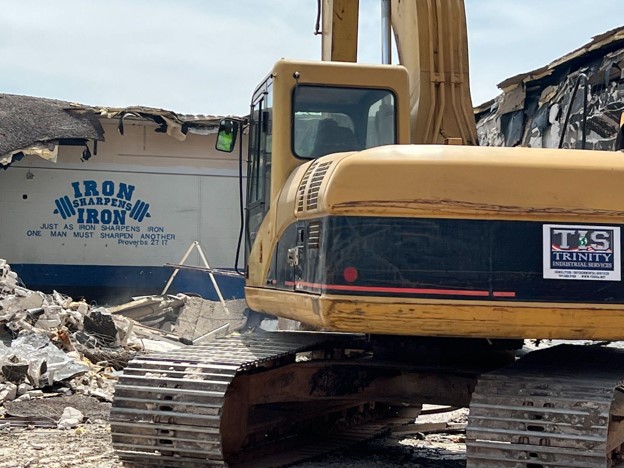
Infrastructure development is essential for growing communities, and infrastructure demolition plays a critical role in making way for new roads, bridges, airports, and public buildings. By carefully dismantling outdated or unsafe structures, demolition contractors help pave the way for modern, efficient infrastructure projects.
Why Infrastructure Demolition Is Necessary for Infrastructure Growth
Infrastructure projects often require the removal of existing structures to accommodate new developments. Infrastructure demolition helps in several key ways:
- Clearing Obsolete Structures: Removing outdated buildings makes space for new infrastructure such as highways, railways, and public facilities.
- Improving Public Safety: Many old bridges, overpasses, and tunnels become structurally unsound over time and require infrastructure demolition to prevent accidents.
- Enhancing Urban Planning: Demolition allows city planners to redesign spaces for more efficient transportation and community use.
- Supporting Economic Growth: New infrastructure leads to job creation, improved connectivity, and better services for businesses and residents.
- Recycling and Sustainability: Modern infrastructure demolition practices prioritize material recycling, reducing waste and supporting green building initiatives.
Challenges in Infrastructure Demolition
Demolishing infrastructure presents unique challenges that require specialized expertise:
- Working in High-Traffic Areas: Many projects take place in busy urban environments, requiring careful planning to minimize disruptions.
- Managing Hazardous Materials: Older infrastructure may contain asbestos, lead, or other hazardous substances that must be safely removed.
- Coordinating with Government Agencies: Infrastructure demolition requires close coordination with local, state, and federal authorities.
- Ensuring Structural Stability: When removing bridges, overpasses, or large buildings, controlled demolition methods must be used to prevent unintended collapses.
- Environmental Considerations: Protecting nearby ecosystems and water sources is essential during large-scale demolition projects.
Demolition as the First Step Toward Modern Infrastructure
Infrastructure demolition plays a critical role in preparing sites for new construction and urban redevelopment projects. Aging bridges, deteriorating roads, obsolete industrial facilities, and unsafe public structures often need to be removed before modern infrastructure can take their place. By safely dismantling outdated buildings and facilities, demolition contractors create the foundation for improved transportation networks, commercial developments, and public spaces. Proper planning ensures that demolition is completed efficiently while minimizing disruption to nearby communities.
Improving Safety and Supporting Sustainable Growth
One of the primary benefits of infrastructure demolition is enhancing public safety. Structures that have exceeded their service life may become hazardous due to structural damage, environmental contamination, or outdated engineering standards. Removing these risks allows cities to replace them with stronger, more resilient infrastructure. Additionally, modern demolition practices emphasize sustainability by recycling concrete, steel, asphalt, and other materials, reducing landfill waste and conserving valuable natural resources for future construction projects.
Advanced Demolition Techniques and Technology
Today’s infrastructure demolition projects rely on advanced equipment and innovative technologies to improve efficiency and precision. High-reach excavators, hydraulic breakers, controlled blasting, and robotic demolition systems enable contractors to remove structures safely, even in densely populated urban environments. Engineers also use drones, 3D modeling, and structural analysis to plan demolition activities, reducing risks and ensuring compliance with environmental and safety regulations. These technological advancements have transformed demolition into a highly specialized field that supports complex infrastructure projects.
Driving Economic Development and Urban Renewal
Infrastructure demolition contributes significantly to economic growth by making way for new investments and revitalization projects. Clearing obsolete structures creates opportunities for new highways, bridges, residential developments, hospitals, schools, and commercial centers that improve quality of life and stimulate local economies. Redevelopment projects also generate employment opportunities across construction, engineering, transportation, and related industries. As cities continue to expand and modernize, strategic demolition remains an essential part of sustainable urban planning and long-term infrastructure development.
Why Choose a Professional Infrastructure Demolition Contractor?
Infrastructure demolition requires experience, precision, and strict regulatory compliance. Trinity Industrial Services specializes in large-scale demolition projects, ensuring safe and efficient removal of old structures to support new developments.
Partner with an Expert Infrastructure Demolition Team
For professional infrastructure demolition, trust Fish Creek’s leading demolition specialists. Trinity Industrial Services delivers expert demolition solutions to facilitate infrastructure development safely and efficiently.
Contact us today at (404) 692-7049 to discuss your project and request a free estimate.
Conclusion
Infrastructure demolition is far more than the removal of old structures—it is a vital process that enables progress, safety, and economic development. Through careful planning, advanced technology, and environmentally responsible practices, demolition prepares communities for stronger, more efficient infrastructure. As governments and private developers invest in modernization, professional infrastructure demolition will continue to play a key role in building safer, smarter, and more sustainable cities for future generations.