
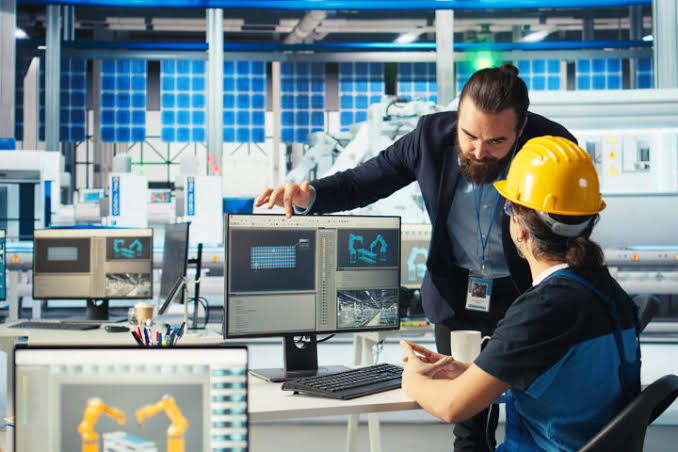
Modern industries are entering an era where physical operations and digital technologies must work together seamlessly. From manufacturing facilities and energy providers to transportation systems and industrial environments, organizations rely on connected infrastructure to maintain efficiency, safety, and reliability. Operational technology infrastructure solutions play a critical role in helping businesses modernize their systems, protect essential assets, and create more resilient operational environments.
As industrial processes become increasingly dependent on automation, data exchange, and real-time monitoring, outdated infrastructure can create significant challenges. Downtime, cybersecurity threats, inefficient workflows, and limited visibility can impact productivity and profitability. By implementing advanced OT infrastructure strategies with support from Instrata, organizations can build systems that support current requirements while preparing for future technological advancements.
Understanding the Role of Operational Technology Infrastructure Solutions
Operational technology refers to the hardware, software, and systems used to monitor and control physical processes. Unlike traditional information technology (IT), which focuses primarily on managing digital information, OT directly impacts real-world operations such as equipment performance, production processes, and facility management.
Operational technology infrastructure solutions provide the foundation needed to manage these environments effectively. They combine networking capabilities, industrial automation, cybersecurity measures, and monitoring systems to create a connected operational ecosystem.
These solutions are designed to improve:
- System availability and operational reliability
- Data visibility across industrial environments
- Asset performance management
- Cybersecurity protection
- Integration between legacy and modern technologies
- Long-term infrastructure scalability
By creating a more connected and secure environment, businesses can make faster decisions, reduce disruptions, and improve overall operational performance.
Why Businesses Need Modern OT Infrastructure Strategies
Many organizations still operate with a combination of aging equipment, traditional control systems, and newer digital technologies. While legacy systems may continue supporting daily operations, they can become difficult to maintain, vulnerable to security risks, and challenging to integrate with modern solutions.
A comprehensive OT infrastructure approach helps address these challenges by creating a structured path toward modernization. Instead of replacing entire systems immediately, businesses can strategically upgrade critical components while maintaining operational continuity.
Modern OT strategies support organizations by providing:
Improved Operational Efficiency
Real-time data collection and advanced monitoring allow teams to identify performance issues before they become major problems. Better visibility into equipment health, workflows, and system activity enables more informed decision-making and helps reduce unnecessary downtime.
Enhanced Cybersecurity Protection
Industrial environments face increasing cybersecurity threats as more devices become connected. Strong OT security practices, including network segmentation, access controls, threat monitoring, and vulnerability management, help protect critical infrastructure from potential disruptions.
Better Asset Management
Industrial assets represent significant investments, making effective management essential. Operational technology infrastructure solutions help organizations track equipment performance, identify maintenance requirements, and extend asset lifecycles through proactive strategies.
Greater Scalability and Flexibility
Technology requirements continue to change as industries adopt automation, artificial intelligence, and advanced analytics. A flexible OT infrastructure allows organizations to expand capabilities without creating unnecessary complexity or operational challenges.
Key Components of Effective OT Infrastructure Solutions
Developing a reliable operational technology environment requires multiple interconnected components. Each element contributes to creating a secure, efficient, and adaptable system.
Industrial Networking and Connectivity
Reliable communication between devices, machines, and control systems is essential for modern operations. Industrial networks provide the foundation for exchanging real-time information while supporting dependable system performance.
Proper network design helps maintain communication reliability while ensuring that critical systems remain accessible and protected.
OT Cybersecurity Frameworks
Cybersecurity is one of the most important considerations for connected industrial environments. Unlike traditional office networks, OT systems often control physical processes where disruptions can affect safety, production, and business continuity.
Effective cybersecurity measures include:
- Network monitoring and threat detection
- Secure remote access management
- Identity and authentication controls
- Regular vulnerability assessments
- Incident response planning
A proactive security approach helps organizations reduce risks and maintain operational confidence.
Data Integration and Monitoring
Data has become a valuable resource for improving industrial performance. Advanced monitoring platforms collect information from equipment, sensors, and operational systems to provide actionable insights.
With improved data visibility, organizations can:
- Detect operational issues faster
- Optimize resource usage
- Improve maintenance scheduling
- Identify opportunities for process improvements
Integrating operational data with business intelligence tools also allows leadership teams to make more strategic decisions.
Infrastructure Modernization
Many organizations face the challenge of balancing existing technology investments with the need for modernization. Effective OT infrastructure planning focuses on improving performance without disrupting essential operations.
Modernization may involve upgrading network architecture, integrating new monitoring solutions, improving security controls, or replacing outdated components with more reliable alternatives.
Best Practices for Implementing Operational Technology Infrastructure Solutions
Successful OT transformation requires careful planning and a clear understanding of business objectives. Organizations should consider several best practices when developing their infrastructure strategy.
1. Evaluate Current Systems
Before implementing improvements, businesses should assess existing infrastructure, identify weaknesses, and understand how current systems support operational goals.
A detailed assessment helps determine which areas require immediate attention and which improvements can be implemented gradually.
2. Prioritize Security From the Beginning
Security should not be treated as an additional feature added after implementation. It should be integrated into every stage of OT infrastructure planning.
Organizations should establish security policies, monitor system activity, and regularly review potential vulnerabilities to maintain stronger protection.
3. Focus on Interoperability
Industrial environments often include equipment from different manufacturers and technology generations. Ensuring compatibility between systems helps organizations avoid unnecessary limitations and maximize existing investments.
Interoperable infrastructure creates a more connected environment where different technologies can work together effectively.
4. Plan for Future Growth
Technology continues to evolve rapidly. Infrastructure decisions should consider future requirements, including increased automation, expanded data needs, and emerging digital solutions.
A scalable approach allows businesses to adapt without requiring frequent complete system replacements.
The Future of Operational Technology Infrastructure
The future of industrial operations will continue to be shaped by automation, connectivity, and intelligent technologies. Emerging solutions such as artificial intelligence, edge computing, digital twins, and advanced analytics are creating new opportunities for improving efficiency and decision-making.
However, these technologies depend on strong foundational infrastructure. Without reliable connectivity, cybersecurity protections, and effective system management, organizations may struggle to achieve the full benefits of digital transformation.
Operational technology infrastructure solutions provide the foundation needed for businesses to confidently adopt new technologies while maintaining secure and dependable operations.
How Instrata Supports Modern Industrial Environments
Organizations require more than technology upgrades; they need strategic solutions designed around operational goals, security requirements, and long-term performance. Instrata helps businesses navigate complex infrastructure challenges by supporting the development of reliable and efficient OT environments.
Through expertise in operational systems, infrastructure planning, and technology integration, Instrata helps organizations improve resilience, enhance visibility, and prepare their operations for future demands.
Building Resilient Operations Through Smarter Infrastructure
Industrial success increasingly depends on the ability to manage technology, assets, and operational processes as a connected ecosystem. Businesses that invest in reliable infrastructure gain greater control, improved efficiency, and stronger protection against evolving challenges.
By adopting operational technology infrastructure solutions, organizations can create smarter, more secure, and future-ready operational environments. With the right strategy and expertise from Instrata, modern infrastructure becomes more than a technology investment; it becomes a foundation for sustainable growth, improved resilience, and long-term operational excellence.